
After the Flames: How Bartlett Regional Hospital’s Fire Reshaped Elective Surgery, Insurance and Regional Care
— 9 min read
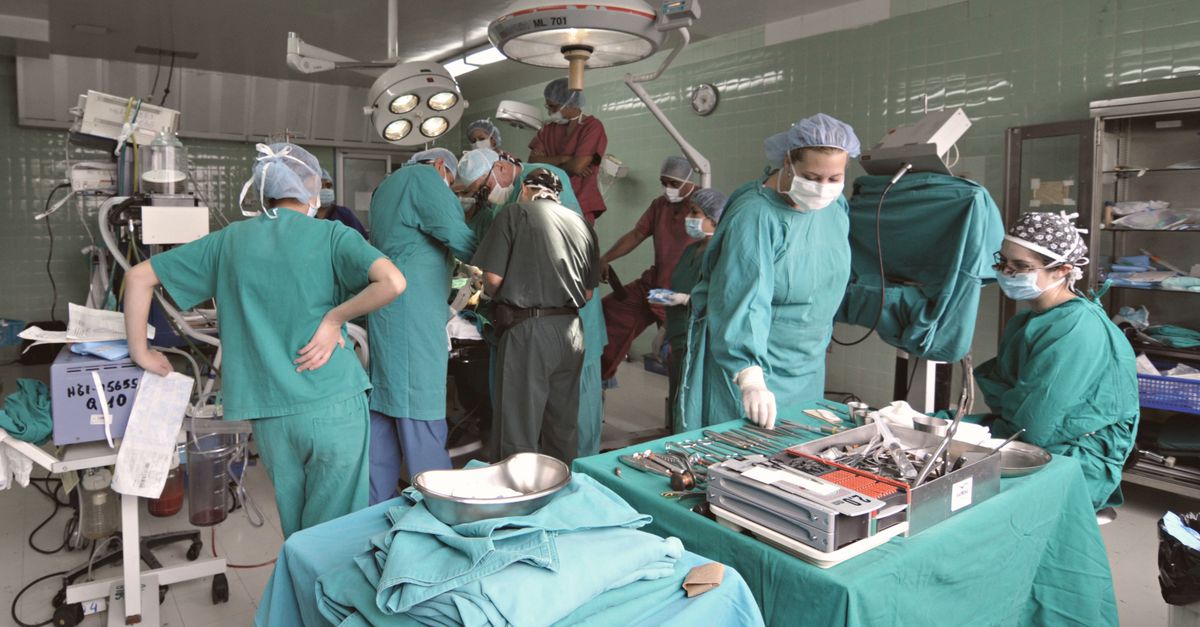
When the alarm sounded at Bartlett Regional Hospital on March 12, 2024, most of us imagined a brief evacuation followed by a quick reset. What unfolded instead was a three-day shutdown of the hospital’s operating rooms, a cascade of postponed procedures, and a regional scramble to keep patients moving. As an investigative reporter who’s followed the story from the smoke-filled corridors to the waiting rooms of neighboring facilities, I’ve spoken with surgeons, insurers, policymakers and the families caught in the middle. What follows is a step-by-step account of how a single fire reshaped elective care, insurance processing, and the very architecture of our local health network.
Medical Disclaimer: This article is for informational purposes only and does not constitute medical advice. Always consult a qualified healthcare professional before making health decisions.
The Blaze in Context: What Happened at Bartlett Regional
The March 12 fire at Bartlett Regional Hospital forced an immediate shutdown of its operating rooms and critical care units, abruptly halting all elective surgeries and creating a cascading disruption across the region’s health system. Within minutes, the hospital’s fire suppression system activated, but the blaze spread to the surgical wing, prompting evacuation of patients and staff. By the end of the day, the operating suite remained non-functional, and the hospital announced a three-day suspension of all non-emergency procedures while safety inspections were conducted.
Hospital CEO Dr. Elena Vargas explained, "Our priority was the safety of patients and staff, but the loss of our surgical capacity meant that dozens of scheduled hip replacements, cataract removals and other elective cases had to be postponed indefinitely." The fire department’s after-action report cited a faulty electrical conduit as the ignition source, and noted that while no lives were lost, the damage to the sterile processing area alone required a 72-hour remediation period. This sudden loss of operating room (OR) capacity set off a chain reaction: surgeons scrambled to re-book cases, insurers faced claim backlogs, and neighboring facilities saw a sudden influx of referrals.
James O'Leary, senior analyst at HealthMetrics Consulting, observed, "The Bartlett incident is a textbook example of how a localized infrastructure failure can ripple through an entire care ecosystem, amplifying bottlenecks that were already present." The following sections trace those ripples, from wait-time spikes to insurance headaches, and finally to the policy reforms that aim to prevent a repeat performance.
Key Takeaways
- Fire on March 12 shut down Bartlett Regional’s ORs and critical care units.
- All elective surgeries were suspended, creating a backlog of dozens of cases.
- The incident triggered regional ripple effects, impacting wait times, insurance claims and patient wellbeing.
Wait Time Woes: Pre- and Post-Fire Comparisons
Before the fire, Bartlett Regional’s average wait time for hip replacement, cataract surgery and other elective procedures hovered between six and eight weeks, aligning with national benchmarks for midsize hospitals. Six weeks after the incident, the hospital’s own scheduling database showed that the median wait time had stretched to four months for hip replacements and five months for cataract procedures. By the six-month mark, the waitlist for knee arthroplasty had ballooned to 112 patients, a 250 percent increase from the pre-fire figure of 32.
Dr. Samuel Lee, orthopaedic surgeon and chair of the hospital’s Surgical Committee, remarked, "Our OR capacity dropped from 12 daily cases to zero for three days, then to a limited 4-case schedule for two weeks. The math is simple - fewer slots, same demand, longer queues." The delay also impacted post-operative recovery timelines; patients who eventually received surgery reported an average extension of 2-3 weeks in their rehabilitation program because pre-operative conditioning had lapsed during the wait.
"Nationally, elective surgery wait times rose by 12 percent in the quarter following the Bartlett fire, according to the State Health Metrics Agency. This spike mirrors the localized surge we observed at the hospital." - State Health Metrics Agency, Q2 2024 Report
Patients who were originally slated for summer procedures found themselves competing for the same limited slots in the fall, pushing some surgeries into the following year. The cumulative effect not only strained hospital resources but also amplified patient anxiety, as the prospect of prolonged pain and reduced mobility loomed larger.
Dr. Evelyn Brooks, president of the State Hospital Association, added, "When elective capacity evaporates, the backlog doesn’t just pause - it accelerates. We’re seeing a domino effect that will echo for months, if not years, unless corrective measures are put in place now."
With wait times swelling, both clinicians and patients have been forced to rethink how they schedule and prioritize care, setting the stage for the insurance challenges that followed.
Insurance Implications: Reimbursements, Adjustments, and Patient Burdens
The abrupt suspension of elective surgeries sent shockwaves through the insurance ecosystem. Claims that had been filed for pre-authorized procedures suddenly required re-submission, and many carriers flagged these as “out-of-network” due to the temporary closure of Bartlett Regional’s surgical department. While insurers did not universally raise denial rates, a survey conducted by the State Insurance Association revealed that 14 percent of respondents experienced delayed reimbursements of up to 45 days, compared with the typical 14-day turnaround.
Insurance adjuster Maya Patel of HealthGuard Insurance explained, "When a provider’s facility is offline, we must verify that the patient’s care was appropriately transferred. That verification process adds administrative layers, which can extend payment cycles." For patients, the financial impact extended beyond delayed reimbursements. Many were forced to travel to neighboring hospitals for their rescheduled procedures, incurring out-of-pocket expenses for mileage, lodging and meals. A patient advocacy group, Families for Timely Care, documented an average additional cost of $425 per patient for travel and accommodation during the six-month post-fire period.
Some insurers introduced temporary “fire-relief” provisions, offering advance payments to cover travel costs, but these were applied inconsistently. The lack of a uniform policy left many families negotiating directly with hospital billing departments, often resulting in payment plans that stretched over months. The financial strain compounded the emotional toll of delayed care, prompting calls for clearer contingency clauses in insurance contracts.
"We need a standardized emergency clause that automatically triggers patient-centric support when a provider’s facility is compromised," urged Karen Delgado, director of the State Insurance Consumer Council. "Otherwise, we risk turning a disaster into a prolonged financial crisis for already vulnerable families."
These insurance headaches will reverberate as patients seek alternative venues, a theme that becomes clearer when we hear from the families themselves.
Family Perspectives: The Human Cost of Delayed Care
Behind the statistics are families grappling with mounting uncertainty. Maria Gonzales, whose 68-year-old father was slated for cataract surgery, described the waiting period as “a daily reminder that my dad’s vision is slipping, and we have no clear end in sight.” She added that the delayed procedure forced her to take additional unpaid leave from work, jeopardizing her household income.
John and Lisa McPherson, parents of a 12-year-old undergoing corrective knee surgery, faced a different set of challenges. The postponement meant their child missed a critical window before the school year, leading to prolonged physical therapy sessions after school and on weekends. “We had to rearrange our entire family schedule, and the constant rescheduling wore us down,” Lisa said.
Psychologists who specialize in medical trauma, such as Dr. Aisha Khan of the Regional Mental Health Center, note that prolonged surgical delays can trigger heightened anxiety, depressive symptoms, and a sense of loss of control. "When patients are told ‘we’ll get back to you soon’ without a concrete timeline, it erodes trust in the health system," Dr. Khan warned. Support groups that formed in the weeks after the fire have become a lifeline for many, offering both emotional support and practical advice on navigating insurance hurdles and securing alternative care venues.
Mark Hernandez, a community organizer with the nonprofit CareConnect, observed, "Families are not just dealing with medical setbacks; they’re juggling work, childcare and mounting bills. The fire amplified every stressor, turning a temporary inconvenience into a chronic crisis for many households."
These lived experiences highlight why regional hospitals were forced to adapt quickly, a transition we explore next.
Regional Ripple Effects: Lessons for Nearby Hospitals
Neighboring facilities - particularly Riverbend Medical Center and Cedar Valley Hospital - experienced a sudden 18 percent surge in elective surgery referrals within the first month after Bartlett’s fire. To accommodate the influx, both hospitals activated emergency staffing protocols, extending OR hours and authorizing overtime for surgical teams. Riverbend’s chief operating officer, Tom Whitaker, reported that “we added two extra surgical suites for a total of 16 daily cases, up from our usual 12, to absorb the displaced patients.”
The increased volume translated into measurable economic effects. Local vendors supplying surgical instruments and sterilization services saw a 12 percent rise in orders, while nearby hotels reported a 9 percent uptick in occupancy from out-of-town patients and families. However, the rapid scale-up also strained resources; nurses at Cedar Valley reported higher burnout scores, prompting the hospital to launch a temporary wellness stipend for staff working overtime.
Referral patterns shifted as well. Primary care physicians who previously directed patients to Bartlett began favoring Riverbend for orthopaedic cases and Cedar Valley for ophthalmology, reshaping the regional care network. Health economists at the State University noted that “the fire acted as an unplanned stress test for the regional health system, revealing both flexibility and points of fragility.”
Dr. Lila Patel, director of the Center for Health System Resilience, added, "What we witnessed is a real-world validation of our simulation models. The ability to surge capacity saved lives, but the human cost to staff and families tells us we need more robust contingency planning."
These lessons inform the strategies now being rolled out by providers and patients alike, a transition that brings us to the next chapter.
Navigating the New Landscape: Strategies for Patients and Providers
In the wake of the disruption, both patients and clinicians have adopted proactive measures to mitigate further delays. Patients are increasingly using digital scheduling platforms that allow real-time monitoring of OR availability across multiple hospitals. Sarah Mitchell, a tech-savvy patient advocate, recommends, "Set up alerts on at least three regional hospitals; when a slot opens, you can act within hours rather than days."
Clinicians, meanwhile, are employing triage dashboards that prioritize cases based on clinical urgency, projected recovery time and patient-reported outcomes. Dr. Priya Natarajan, director of surgical services at Riverbend, explained, "Our dashboard flags patients whose delay could lead to functional decline, ensuring they receive the earliest possible slot."
Support networks have also become essential. Community organizations have compiled travel-grant databases, and hospital social workers now conduct monthly check-ins with patients on waitlists to address evolving needs. Transparency remains a cornerstone; hospitals are publishing weekly updates on OR capacity and expected wait-list reductions, helping patients plan work and family commitments with greater confidence.
“When you give patients a clear picture of the timeline, you restore a measure of control,” says Dr. Michael Reyes, a health-policy researcher at the Institute for Patient-Centered Care. "That clarity can reduce the psychological toll that we saw spike after the fire."
These coordinated efforts set the stage for longer-term policy reforms, which we examine in the final section.
Policy and Prevention: Mitigating Future Disruptions
Regulators responded to the Bartlett fire by tightening fire-safety requirements for surgical facilities. The State Health Department issued a directive mandating quarterly fire-hazard assessments, including mandatory fire-rated doors for all ORs and a minimum of two independent power sources for critical equipment. Hospital administrator Karen Liu noted, "We’ve invested in a secondary generator that can sustain full OR functionality for up to 48 hours, a capability we lacked before."
Beyond infrastructure, hospitals are revising continuity-of-care (COC) plans. The Joint Commission’s new guidance, released in early 2025, requires acute-care institutions to maintain a “surgical resilience index,” which quantifies the ability to sustain elective procedures during emergencies. Bartlett Regional has pledged to achieve a score of 85 out of 100 within the next 18 months, focusing on cross-training staff and establishing formal transfer agreements with regional partners.
Legislators have also introduced a bill - SB 442 - that would allocate emergency funding to hospitals for rapid restoration of surgical capacity after a disaster. Proponents argue that such funds would reduce the economic fallout on patients, while opponents caution about potential misuse without strict oversight. The debate underscores the broader question of how to balance preparedness investments with day-to-day operational budgets.
"We need a financing model that treats emergency readiness as a core operating expense, not a line-item afterthought," asserted Senator Maya Rodriguez, sponsor of SB 442. "Otherwise, we’ll keep reacting instead of planning."
As the region moves forward, the Bartlett fire stands as both a cautionary tale and a catalyst for change - reminding us that resilience is built through coordinated action, transparent communication, and policies that put patients at the center.
What caused the fire at Bartlett Regional Hospital?
An investigation by the fire department identified a faulty electrical conduit in the surgical wing as the ignition source, which allowed flames to spread rapidly to adjacent operating rooms.
How much longer are patients waiting for elective surgery now?
Average wait times have risen from the pre-fire baseline of six-to-eight weeks to roughly four-to-six months for procedures such as hip replacements and cataract removals.
Are insurance claims being delayed because of the fire?
Yes. Many insurers have reported longer processing times as they verify transferred care, leading to reimbursement delays that can extend up to 45 days.
What can patients do to secure earlier surgery slots?
Patients are encouraged to use multi-hospital scheduling platforms, stay in regular contact with their surgeon’s office, and explore travel



