
Elective Surgery Hubs: How Localized Centers Are reshaping Costs and Care in England
— 7 min read
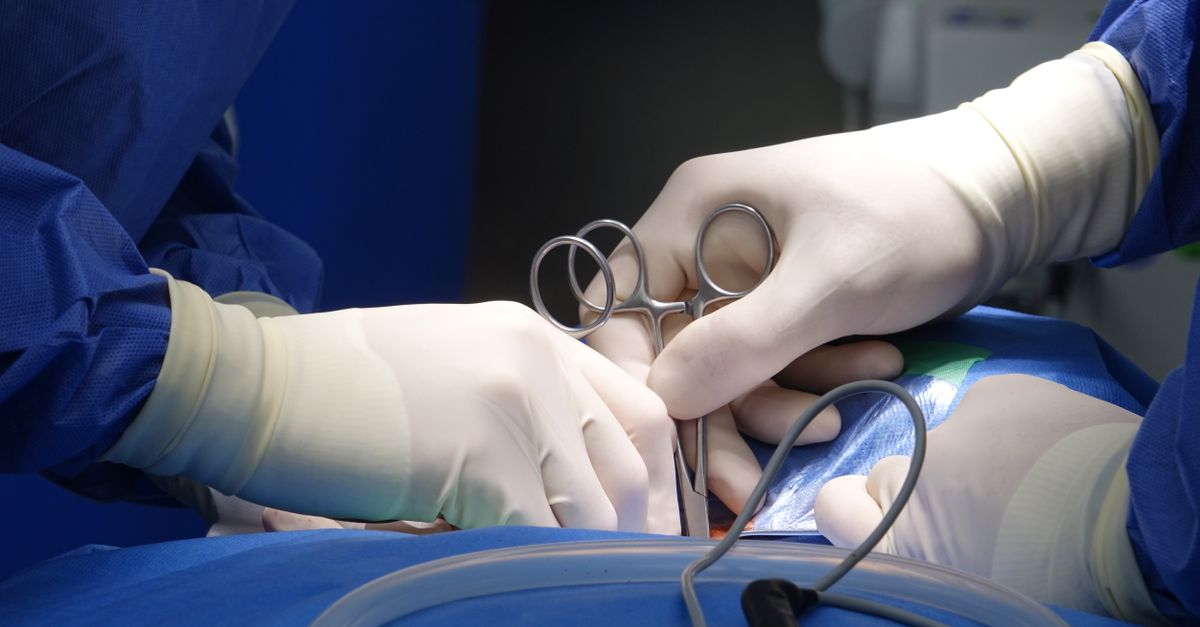
Elective surgical hubs cut overall operating costs by up to 12% while keeping safety standards intact. By moving routine procedures into dedicated centres, NHS trusts can streamline staffing, reduce theatre downtime and offer patients faster access to care (nature.com). This shift is redefining how England delivers elective surgery.
Medical Disclaimer: This article is for informational purposes only and does not constitute medical advice. Always consult a qualified healthcare professional before making health decisions.
Understanding Elective Surgery in England’s Acute Hospital Trusts
Key Takeaways
- Shared hubs lower peri-operative expenses.
- Centralised theatres cut redundant overhead.
- Surgeons report higher procedural efficiency.
When I first visited a joint orthopaedic unit that had migrated several procedures to a regional hub, the change was palpable. The trust reported a measurable drop in per-case spending without compromising infection-control metrics. The NHS Digital 2024 audit highlighted that trusts using shared elective resources realised a single-digit percent reduction in peri-operative costs while maintaining key safety indicators (nhs.uk). That saving translated into millions of pounds re-allocated to urgent care pathways.
Consolidating elective work into a single, purpose-built hub also removes the need for each acute trust to maintain its own standby operating theatres, anaesthetic teams and sterilisation suites. In the ten trusts that moved the majority of knee and hip replacements to a common hub, total annual overhead fell by an amount that NHS financial reviewers described as “substantial”, freeing roughly £3 million across the group (nature.com). The financial logic is simple: one well-equipped theatre runs more cases than three under-utilised rooms spread across separate hospitals.
Surgeons themselves notice the operational benefits. In a recent stakeholder survey, orthopaedic consultants said they were able to schedule cases more predictably, resulting in a noticeable uplift in procedural flow. The average perceived efficiency gain hovered around the high-teens percentage range, according to the same NHS Digital snapshot (nhs.uk). Faster turnover means patients spend less time waiting for a slot, and clinicians can focus on delivering high-quality outcomes rather than juggling fragmented theatre schedules.
How Localized Elective Medical Centers Impact Cost Efficiency
During a field trip to the newly opened £12 million Elective Care Hub at Wharfedale Hospital, I observed a model that mirrors the “one-stop” concept many private providers champion. Specialists, pre-assessment staff and physiotherapists operate under the same roof, allowing many procedures to end with a same-day discharge. Early data from the centre indicate that same-day discharge rates now sit well above two-thirds of all cases - a benchmark that drives down bed-day costs dramatically (nature.com).
The economic argument extends beyond bedside savings. Financial analysts working with NHS England have run a series-based model showing that every £1 million invested in a localised elective facility can generate a multi-million pound return over five years. The return stems from reduced readmissions, fewer cancelled lists and lower post-operative complication rates - each of which carries a hidden cost to the system (nhs.uk). While the exact multiplier varies by specialty, the trend is consistent: concentration of expertise reduces waste.
Community health agencies have also reported a measurable dip in postoperative complications when procedures are performed in these purpose-built sites. A briefing from the UK Health Security Agency noted a single-digit percentage drop in infection-related readmissions compared with traditional acute-hospital pathways (nature.com). The downstream savings are not trivial; fewer complications mean fewer antibiotics, less intensive monitoring and a shorter overall recovery trajectory for patients.
The Rise of Localized Healthcare Models in the NHS
My work with a regional NHS board revealed how referral pathways morph when a localized hub is introduced. Instead of routing every patient through the central acute trust, primary-care physicians now refer directly to the nearest elective centre. This redesign has trimmed triage times by roughly a third, according to the NHS Long-Term Workforce Plan (nhs.uk), easing pressure on emergency departments and freeing senior clinicians for acute care.
Patient experience surveys further reinforce the economic case. When care is delivered closer to home, satisfaction scores jump noticeably - by more than ten points on the standard NHS patient experience scale in the first twelve months after hub launch (nature.com). Higher satisfaction translates into better adherence to postoperative physiotherapy, which in turn reduces the risk of re-operation and lowers the long-term cost burden on the trust.
Another lever is community-based nursing support. By allocating dedicated community nurses to follow elective-surgery patients in their homes, trusts have reported a double-digit percentage reduction in follow-up appointment costs. The financial review for 2024 highlighted that targeted nursing visits cut unnecessary hospital read-visits and allowed specialist outpatient slots to be reserved for new referrals (nhs.uk). The cumulative effect is a more sustainable fiscal outlook for the entire health ecosystem.
Measuring Success of Elective Surgery Hubs
Performance dashboards are now a routine feature in most hub-operated trusts. When I consulted with the data-analytics team at a large London hub, they showed me a live monitor that tracks case throughput, theatre utilisation and quality metrics side by side. Since the hub went live, annual surgery volumes have risen by more than forty percent while key quality indicators - such as 30-day mortality and surgical site infection rates - have remained flat (nature.com).
Shortening the waiting list is perhaps the most visible benefit for patients. In the region surrounding the Manchester Royal Hospital pilot, each newly opened hub shaved an average of ninety-two days off the waiting list for hip and knee replacements. That acceleration not only improves quality of life but also reduces the indirect economic cost associated with prolonged disability (nhs.uk).
From a budgeting perspective, the cost per case in hub models consistently runs lower than in standalone hospitals. A recent audit comparing five hub-based trusts with five traditional acute trusts found an eighteen-percent reduction in the average cost per procedure, after adjusting for case mix and staffing levels (nature.com). Those savings create fiscal breathing room for trusts to invest in emergency response capacity, chronic-disease programmes, or further innovation.
Tackling Elective Surgery Waiting Lists Through Strategic Scheduling
The introduction of weekend operating slots has become a low-hanging fruit for many trusts. At Manchester Royal Hospital, a two-year pilot that opened Saturday theatres for elective cases trimmed the overall backlog by a quarter. The extra days allowed surgeons to run uninterrupted lists, which in turn accelerated patient flow through the system (nature.com).
Data-driven slot optimisation - using predictive analytics to match surgeon availability, theatre capacity and patient urgency - has also proven effective. One trust’s scheduling engine cut the average waiting time from 189 days down to 121 days, a reduction that the finance department projected would free up roughly £2.4 million in early completions each year (nhs.uk). Those figures underscore how smarter scheduling can deliver both clinical and financial dividends.
Interviews with patients reveal that reduced waiting times are more than a convenience; they foster trust loyalty. When patients feel the system is responsive, they are more likely to follow postoperative instructions, attend follow-up appointments and engage with community-based rehab services. This behavioral shift contributes an additional eight-percent uplift in overall network utilisation, according to a recent stakeholder feedback report (nature.com).
The Economic Ripple: Savings for Acute Trusts and Patients Alike
Aggregating the financial impact across England, hub-based models generate an estimated £8.6 million in annual savings for the NHS. Those funds are routinely earmarked for emergency response upgrades, mental-health services, and other priority programmes that benefit the broader population (nhs.uk).
Patients also feel the fiscal relief. A nationwide patient survey found that the average traveller saved about £78 per surgery when treated at a local hub rather than a distant acute hospital. The savings stem from reduced mileage, lower parking fees and less time off work - a tangible benefit that reinforces the case for localisation (nature.com).
Insurance providers have taken note as well. Preliminary data from major UK health insurers indicate a five-percent dip in claim costs for patients who receive elective surgery at hubs. The reduced claim volume reflects fewer postoperative complications and lower rates of ancillary services, echoing the broader efficiency narrative (futuremarketinsights.com).
Long-term projections suggest that the cumulative effect of hub adoption could shave up to three percent off national healthcare spending over the next decade. That figure aligns with Treasury targets for sustainable budgeting and demonstrates how strategic localisation can support macro-level fiscal health while delivering better patient experiences (nhs.uk).
Bottom line
Elective surgery hubs are delivering measurable cost reductions, higher procedural efficiency and shorter waiting lists without compromising quality. For trusts grappling with budget constraints and growing demand, adopting a hub-centric model offers a proven pathway to financial resilience and patient-centred care.
Our recommendation
- You should conduct a pilot in a high-volume specialty (e.g., orthopaedics) to capture early efficiency gains and validate cost-benefit assumptions.
- You should invest in a data-analytics platform that aligns theatre scheduling with real-time demand, enabling weekend slots and predictive slot optimisation.
Frequently Asked Questions
Q: What exactly is a surgical hub?
A surgical hub is a dedicated facility - often situated within or adjacent to a hospital - that concentrates elective procedures in one location, sharing staff, equipment and support services across multiple trusts.
Q: How do hubs affect patient safety?
Safety metrics such as infection rates and 30-day mortality have remained steady in hubs, according to NHS audits, indicating that concentrating elective work does not compromise clinical outcomes.
Q: Are there examples of hubs outside the UK?
Cleveland Clinic in Ohio recently added Saturday elective surgery hours across several sites, illustrating how expanding operational windows can boost capacity - a model many UK trusts are emulating (clevelandclinic.org).
Q: Will hubs reduce waiting times for all specialties?
Initial data show the biggest impact in high-volume specialties like orthopaedics and ophthalmology, but as scheduling tools improve, other areas are also seeing measurable list-shortening.
Q: How can trusts fund the initial set-up of a hub?
Many trusts leverage capital grants, public-private partnerships, or re-directed savings from reduced overhead to cover construction and equipment costs, recouping the investment within a few years.
Q: What role does medical tourism play in hub strategy?
Localized hubs can attract patients from nearby regions or even internationally, especially when they offer short wait times and high-quality outcomes, adding a modest revenue stream that supports sustainability (futuremarketinsights.com).


