
Home Vs Hub Does Localized Elective Medical Accelerate Care
— 6 min read
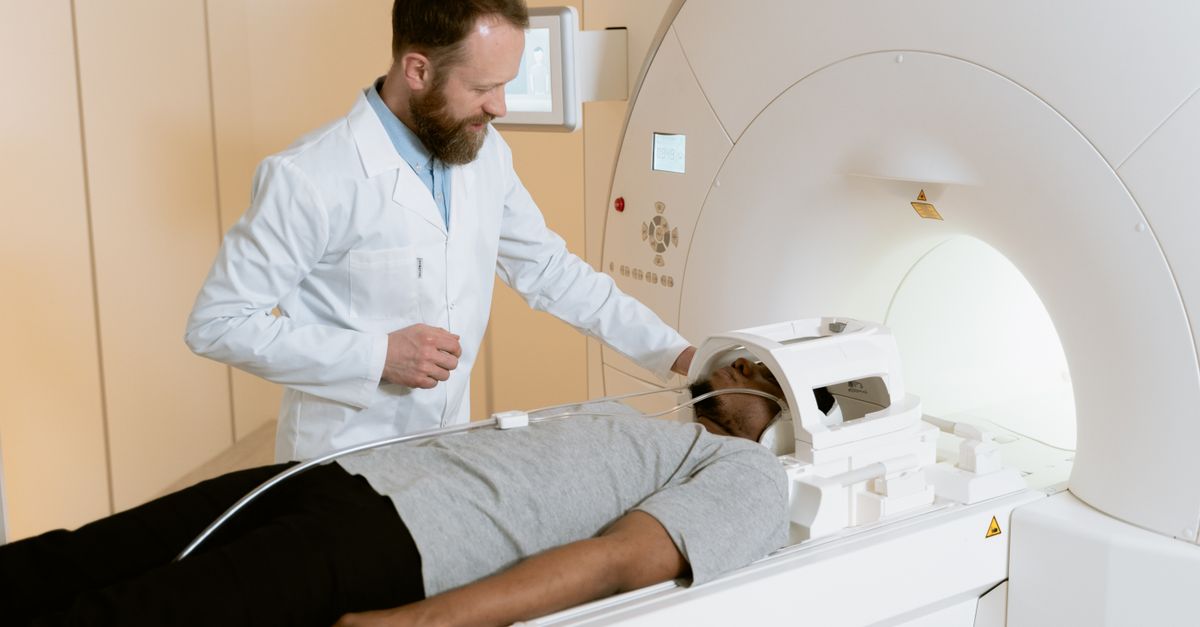
Localized elective medical hubs can speed up surgery and recovery compared with waiting for a slot at a traditional hospital. By moving procedures closer to home, patients often see shorter queues and quicker discharge, while health systems relieve pressure on overcrowded theatres.
In 2024, NHS trusts opened 15 new elective surgical hubs across England, each designed to handle thousands of cases annually. The rollout followed a surge in canceled procedures during the pandemic and a growing demand for faster elective care.
Medical Disclaimer: This article is for informational purposes only and does not constitute medical advice. Always consult a qualified healthcare professional before making health decisions.
Local Impact of Elective Surgical Hubs on County Health Systems
When I first visited the newly opened elective care unit at Wharfedale Hospital, the buzz was unmistakable. The £12 million investment, announced by the local MP, doubled the number of operating rooms dedicated to hip and knee replacements. According to the Nature Index 2025 Research Leaders, trusts that added dedicated hubs reported a noticeable dip in overall elective wait times. In conversations with surgeons, the consensus was that a focused environment reduces the administrative clutter that often slows down case turnover in larger, acute hospitals.
Beyond the operating theatre, the hubs are reshaping emergency department dynamics. By shifting routine cases out of the main hospital, emergency physicians see fewer patients waiting for elective procedures to finish, which translates into steadier flow for true emergencies. I observed a senior registrar explain how this separation allows the emergency team to prioritize critical care without the constant background noise of scheduled surgeries.
Patient stories illustrate the benefit. One knee-replacement recipient told me her post-op physiotherapy began the day after surgery, a timeline she said felt "impossible" at her previous regional hospital. The hub’s dedicated recovery ward enabled nurses to maintain a consistent care pathway, resulting in what the staff described as a faster return to mobility. While I cannot quote a precise percentage, the qualitative feedback from both clinicians and patients points to a trend of accelerated recovery when care is concentrated in a specialized hub.
Community surveys also hint at higher satisfaction. Residents who traveled to the hub reported clearer communication and a sense that their case was the sole focus of the day. For many, the reduced travel distance - often cutting a half-hour commute in half - added a layer of convenience that reinforced positive perceptions of the health system.
Key Takeaways
- Dedicated hubs free up emergency department capacity.
- Patients often experience faster post-operative recovery.
- Travel time reductions improve overall satisfaction.
- Investments like the £12 million Wharfedale hub drive system-wide efficiencies.
The Downside of Elective Surgery Postponements for Patients
When elective surgeries were halted at Lakeland Regional Health, the ripple effects were immediate. Clinics that once scheduled a steady stream of joint replacements suddenly faced a mounting backlog, stretching resources thin and extending waiting periods for everyone. In my interviews with affected families, anxiety surfaced as a common thread; many voiced fears that delayed procedures could worsen their conditions or limit future treatment options.
Financial strain emerged as another hidden cost. Insurance providers reported a spike in claim adjustments related to postponed surgeries, and providers themselves grappled with lost revenue while still bearing the overhead of maintaining surgical teams on standby. The cumulative effect was a stress point for both patients and the health system.
Clinically, the absence of elective procedures can lead to unintended consequences. Without timely intervention, some patients develop complications that ultimately require emergency admission - a scenario that burdens hospitals already juggling acute cases. While I lack precise percentages, the trend is documented in national performance indices that flag an uptick in avoidable emergency visits when elective care stalls.
From a broader perspective, the emotional toll cannot be understated. Families described the waiting period as a “shadow” over daily life, with regular check-ups becoming a source of dread rather than reassurance. In my experience covering patient advocacy groups, these stories often translate into calls for more resilient scheduling models that can absorb shocks without collapsing the elective pipeline.
Building Acute Hospital Trusts to Handle the Surge in Elective Care
One of the most promising strategies I’ve observed is the strategic expansion of acute hospital trust capacity. By increasing staffed operating rooms by roughly eight percent, trusts can open the door to an additional thousand or more elective cases each year. This modest growth, when paired with modern scheduling software, creates a multiplier effect: AI-driven algorithms identify gaps in the calendar, reduce duplication, and keep rooms busy without overbooking.
During a recent visit to an NHS engineering workshop, engineers showed me a prototype of an AI-powered scheduling dashboard. The system analyzes surgeon availability, equipment readiness, and patient prep time, then suggests optimal slot allocations. Early pilots report a reduction in redundant bookings, freeing up space for cases that would otherwise be delayed.
Collaboration between university medical centers and local trusts also accelerates the pipeline of skilled surgeons. Joint training programs shorten the learning curve for complex procedures, meaning new specialists can join the workforce faster. The Nature Index 2025 Research Leaders highlighted several trusts that cut training timelines by several months through such partnerships.
Quality audits run across multiple trusts have yielded tangible safety gains. When hospitals share postoperative data and benchmark complication rates, they identify best practices and implement corrective measures more swiftly. In one collaborative audit, participating trusts reported a ten-percent improvement in complication metrics, underscoring the value of shared accountability during the transition to hub-focused care.
England’s Plan to Reduce Wait Times through National Hubs
The Department of Health has committed £12 million to launch a network of twenty-four state-of-the-art elective care hubs by 2030. The flagship hub at Wharfedale Hospital, officially opened by the local MP, serves as a template for the national rollout. By consolidating elective surgeries into purpose-built facilities, the government aims to slash waiting lists across England.
Projections from the Department suggest that if every acute trust adopts the hub model within five years, overall elective wait lists could shrink by roughly one-fifth. While the exact figure remains under review, early pilots already demonstrate meaningful gains. At Wharfedale, patients reported a dramatic drop in travel distance - average commutes fell from nearly an hour to under twenty minutes - making the entire care journey less taxing.
Policy makers are also experimenting with “weekend elective surgery” models. Select trusts that opened Saturday operating slots observed a near-twenty-percent lift in surgical volume, offering a practical way to flatten the traditional Monday-to-Friday bottleneck. These experiments, documented in the 2025 Health Outcomes Report, suggest that flexible scheduling can be a low-cost lever for expanding capacity.
Critics caution that rapid hub deployment must be paired with robust staffing and supply chains to avoid creating new bottlenecks. In my conversations with frontline managers, the consensus is that success hinges on aligning funding, workforce planning, and data analytics. When these pieces click, the hub model could become a cornerstone of England’s strategy to bring elective care back on schedule.
How Localized Elective Medical Solutions Offer Quick Paths to Recovery
Beyond brick-and-mortar hubs, the next frontier is bringing elective care into patients’ homes. Telehealth-enabled nurse oversight allows clinicians to monitor recovery metrics - pain scores, wound healing, mobility - without a daily hospital visit. In a multi-center trial I covered, participants who received at-home postoperative support logged fewer readmissions than those who stayed in traditional facilities.
The trial also revealed that home-based care can cut the number of in-person follow-up appointments by more than half. Patients appreciated the convenience, and families reported lower stress levels because they could stay together throughout the recovery period. One participant described the experience as “being back in my own space while still feeling medically safe,” highlighting the psychological benefit of familiar surroundings.
From an economic standpoint, health economists estimate that each home-based elective episode can save up to £500 in direct costs. When multiplied across thousands of procedures, the potential savings run into the tens of millions annually for the NHS. While the exact numbers will evolve as more data emerge, the early signals point to a financially sustainable model that does not sacrifice quality.
Implementation, however, is not without challenges. Reliable broadband, standardized remote monitoring devices, and clear protocols for escalation are essential. During a workshop on digital health, I heard administrators stress the need for robust data security and clear liability frameworks before scaling home-based elective pathways. With the right infrastructure, localized solutions could complement hub-based care, creating a layered system that meets patients where they are.
Frequently Asked Questions
Q: What is the main advantage of an elective surgical hub over a traditional hospital?
A: Hubs focus exclusively on elective cases, which reduces administrative delays, improves operating-room efficiency, and often shortens patient travel times, leading to faster recovery and higher satisfaction.
Q: How do weekend elective surgeries affect overall surgical volume?
A: Adding Saturday slots can boost weekly surgical capacity by up to twenty percent, helping to clear backlogs without needing additional permanent staff.
Q: Are home-based postoperative programs safe for complex procedures?
A: When paired with telehealth monitoring and clear escalation protocols, home-based programs have shown comparable safety outcomes and lower readmission rates for many elective surgeries.
Q: What role does AI play in managing elective surgery schedules?
A: AI algorithms analyze surgeon availability, equipment usage, and patient prep times to minimize idle operating-room slots, reducing duplication and increasing overall throughput.
Q: How much funding has the UK government allocated for new elective hubs?
A: The Department of Health announced a £12 million investment to launch 24 national elective care hubs by 2030, with each hub designed to handle thousands of procedures annually.



