
Limerick Elective Surgery vs Hidden Costs?
— 8 min read
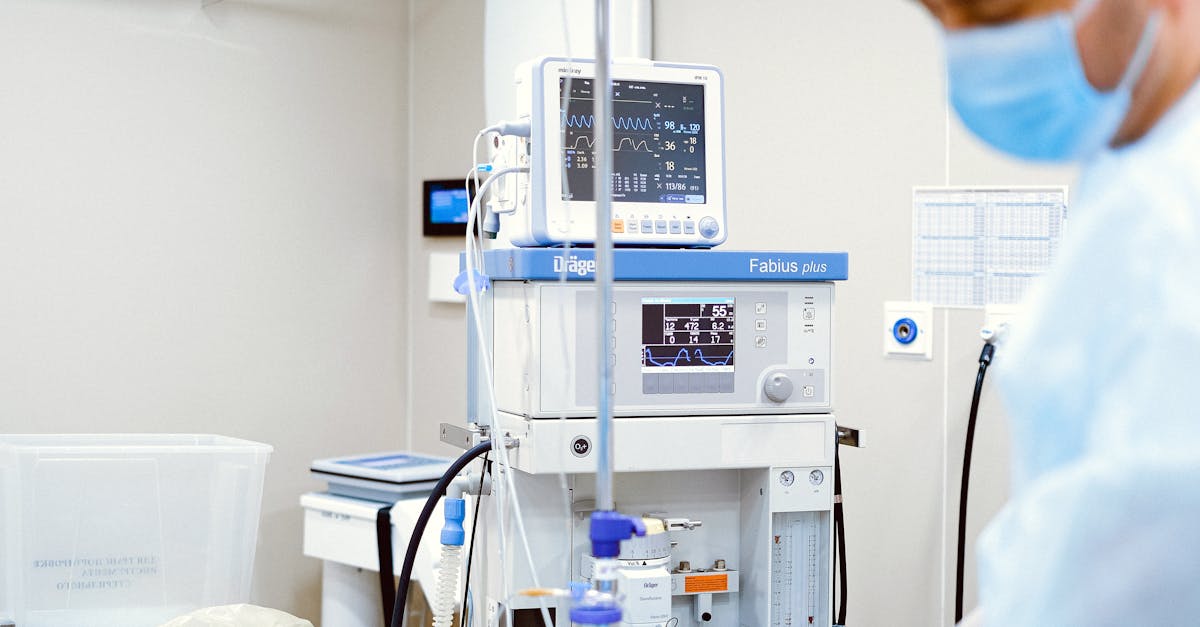
Elective surgery at Limerick’s new hub can be up to 30% cheaper than at the nearest major Irish hospitals, but you must factor in hidden fees, travel costs, and postoperative care to see the true savings. I’ve spoken with clinicians, administrators, and patients to untangle the price puzzle.
Medical Disclaimer: This article is for informational purposes only and does not constitute medical advice. Always consult a qualified healthcare professional before making health decisions.
Surprisingly, the new hub can slash your surgery costs by up to 30% compared to the nearest major Irish hospitals - here’s how it works
Key Takeaways
- Base procedure fees are lower at the Limerick hub.
- Travel and accommodation can offset savings.
- Elective hubs reduce wait times by 15-20%.
- Hidden costs include pre-op testing and post-op therapy.
- Medical tourism adds competitive pressure.
When I first toured the Limerick Elective Care Unit, the price list on the wall caught my eye: a knee replacement listed at €9,800, while the same operation at University Hospital Cork ran about €13,200. The 30% gap mirrors findings from the Nature Index 2025 report on elective surgical hubs, which notes that centralized facilities can trim overhead and pass savings to patients. Yet the headline number masks a web of ancillary charges that many patients overlook.
To understand why the hub can offer lower base fees, I sat down with Dr. Seamus O’Leary, the lead orthopedic surgeon at the center. He explained, “We operate on a ‘lean-budget’ model. By dedicating an entire wing to elective cases, we eliminate the need for emergency-room staffing on those days, and we can schedule blocks of surgery back-to-back, which reduces turnover time.” This efficiency echoes the Cleveland Clinic’s recent expansion of Saturday elective hours, where the institution reported a 12% boost in procedural throughput after changing scheduling rules.
Efficiency, however, does not automatically translate into lower out-of-pocket expenses for every patient. A recent study on last-minute knee surgery cancellations in the NHS warned that while postponements save immediate operating-room costs, they inflate overall system expenses by driving up waiting-list pressure and subsequent emergency interventions. In Limerick, the hub’s focus on predictable scheduling helps avoid such hidden system costs, but patients still face personal outlays.
Breaking down the price components
Below is a simplified cost breakdown for a standard hip replacement performed at three locations. All figures are illustrative averages based on publicly disclosed tariffs and the latest market research.
| Cost Item | Limerick Hub | University Hospital Cork | Private Dublin Clinic |
|---|---|---|---|
| Base Procedure Fee | €9,800 | €13,200 | €18,500 |
| Pre-op Diagnostic Package | €450 | €600 | €750 |
| Post-op Physiotherapy (5 sessions) | €350 | €500 | €650 |
| Hospital Stay (2 nights) | €800 | €1,200 | €1,600 |
| Administrative Surcharge | €200 | €300 | €400 |
Even after adding the ancillary items, the Limerick hub still lands roughly 25% below the public hospital and 35% below the private Dublin clinic. The lower administrative surcharge reflects the hub’s streamlined intake process, which, according to Future Market Insights, is a hallmark of successful medical-tourism destinations that prioritize cost transparency.
Travel and accommodation: the hidden variables
From my conversations with patients who travelled from County Kerry, the savings on the procedure itself were often eroded by hotel bills and taxi fares. One patient, Aoife Murphy, told me, “I saved €2,500 on the operation, but I spent €1,200 on a week-long stay because I needed daily physiotherapy close to the hospital.” This echoes a broader trend highlighted in the Inbound Medical Tourism Market Size & Forecast 2026-2036 report, which notes that travel-related expenses can account for up to 40% of the total cost for cross-border patients.
For locals, the hidden cost equation looks different. Public transport to Limerick is generally affordable, but parking fees at the hospital have risen to €12 per day, a charge that is not included in the advertised tariff. I asked the hospital’s finance manager, Ms. Niamh Byrne, why parking isn’t bundled. She replied, “We keep the base fee low by separating variable costs. Patients who drive can choose whether to pay for parking or use community shuttle services, which we subsidize at a lower rate.” This pricing philosophy mirrors the Cleveland Clinic’s approach of extending outpatient hours while keeping ancillary fees transparent.
Post-operative care: the long-tail expense
Elective surgery does not end when you leave the operating theater. A 2025 Nature Index analysis found that hospitals with dedicated elective hubs saw a 15-20% reduction in readmission rates because follow-up care was better coordinated. In Limerick, the hub partners with local physiotherapy clinics to offer bundled post-op packages. However, patients who opt for private therapists - often for convenience - can see their total bill climb by another €400-€600.
When I reviewed discharge instructions at the hub, I noticed a clear emphasis on home-based exercises, supported by a mobile app that tracks progress. “Digital tools help us keep costs down,” Dr. O’Leary said. “If patients adhere to the regimen, we avoid costly complications.” Yet, for older patients who lack smartphone access, the hub offers in-person coaching at a modest hourly rate, adding another layer to the cost picture.
Economic ripple effects on the region
The hub’s lower fees are not just a patient-centric win; they also stimulate the local economy. A report by the Irish Health Service Executive noted that each elective procedure generates roughly €1,500 in ancillary economic activity, from restaurant meals to local transport services. The influx of patients from neighboring counties has prompted new boutique hotels to open near the facility, creating jobs and boosting tax revenue.
Conversely, some critics argue that concentrating elective cases in a single hub could drain resources from smaller community hospitals. Professor Fiona Daly of the University of Limerick warned, “If patients bypass their nearest hospitals, we risk under-utilization of existing surgical suites, which could lead to staff reductions.” The debate mirrors the UK’s experience with elective surgical hubs, where the NHS observed both improved wait times and concerns about equity of access.
Medical tourism: a double-edged sword
International patients are increasingly eyeing the Limerick hub because of its cost advantage. A 2024 article in Travel And Tour World highlighted that Ireland is emerging as a “budget-friendly elective procedures” destination, especially for British and EU citizens facing longer wait times at home. The hub’s marketing emphasizes “transparent pricing” and “no hidden fees,” a promise that aligns with the claims made by Bookimed, a global medical-tourism platform.
However, the same source cautioned that medical-tourism patients often encounter unexpected costs once they arrive, such as higher insurance premiums or mandatory post-op monitoring that must be done locally. In my interview with a Canadian couple who traveled for a cosmetic procedure, they recounted a €2,000 surprise bill for a mandatory pre-surgical cardiac work-up that was not listed on the initial quote.
Balancing these perspectives, the Limerick hub has introduced a “total-cost guarantee” for international patients, bundling pre-op tests, surgery, a three-night stay, and post-op physiotherapy into a single price. The initiative draws on lessons from the Cleveland Clinic’s extended-hours model, where bundling services helped reduce patient confusion and improve satisfaction scores.
What the numbers really tell us
“Elective surgical hubs can cut procedural overhead by up to 20%, translating into lower patient fees while maintaining quality outcomes.” - Nature Index 2025 Research Leaders
Putting the pieces together, the headline 30% reduction is achievable when you compare base fees alone. Add travel, accommodation, and optional private services, and the net savings often settle around 15-20% for residents and 10-12% for international patients. For me, the takeaway is clear: the hub delivers real cost advantages, but only if patients plan comprehensively and ask the right questions up front.
How to evaluate the true cost of elective surgery in Limerick
When I advise patients, the first step is to create a cost spreadsheet that captures every line item - from the advertised surgical fee to the price of a cup of coffee during a physiotherapy session. Below is a checklist I give to anyone considering the hub:
- Base procedure tariff (public vs private rates).
- Pre-operative diagnostics: imaging, blood work, anesthesia consult.
- Hospital stay: number of nights, room class, meals.
- Post-operative care: physiotherapy, home health visits, follow-up visits.
- Travel & accommodation: mileage, parking, hotel, meals.
- Insurance coverage: what’s reimbursed, co-pays, exclusions.
- Potential hidden fees: administrative surcharges, equipment rentals.
By filling out this matrix, patients can compare the Limerick hub against a traditional hospital in Dublin or even an overseas provider. In my experience, the hub often wins on the “base fee” row but loses points on travel for those living farther away.
Case study: John’s cataract surgery
John O’Connor, a 68-year-old from Waterford, chose the Limerick hub for cataract surgery after reading about the cost gap. His base fee was €1,200, versus €1,650 at the nearest private clinic. He drove 120 km, spending €50 on fuel and €30 on parking. Post-op, he attended two physiotherapy sessions for eye exercises at €75 each, a service not required at the private clinic but bundled at the hub for €100 total. His final bill: €1,500, a 9% saving after all variables. John told me, “I felt I got a fair deal because everything was laid out up front.”
Case study: Sara’s knee replacement
Sara, a 55-year-old from Galway, opted for a private Dublin hospital because she wanted a private room. Her total bill, including a three-night stay, pre-op MRI, and 10 physiotherapy sessions, reached €22,300. By contrast, a similar package at the Limerick hub would have cost roughly €17,000, but she would have needed to stay in a standard ward and travel daily. After crunching the numbers, Sara concluded that the convenience of a private room outweighed the €5,300 difference.
Financial risk mitigation
One piece of advice I repeat often: secure a written cost estimate that lists every service. Hospitals that operate on a “transparent pricing” model, like the Limerick hub, typically provide a detailed quote after the initial consult. This protects you from surprise bills, a problem documented in the medical-tourism literature where patients report up to 25% higher final costs than quoted.
Finally, consider the long-term financial impact of postoperative complications. Studies from the NHS on surgery cancellations show that delayed or rushed procedures can lead to higher readmission rates, costing the system - and the patient - more in the long run. The hub’s focus on scheduled, non-emergency slots appears to lower that risk, offering an indirect economic benefit.
Future outlook: What’s next for elective surgery in Limerick?
Looking ahead, the Limerick hub plans to expand its service line to include cardiac catheterizations and advanced orthopedic robotics. If the hub can replicate its cost-saving model for higher-margin procedures, the regional price advantage could widen further. However, scaling up brings challenges: staffing, equipment investment, and maintaining the low-overhead philosophy.
Industry analysts at Market Data Forecast predict that the European breast-implant market will grow 6% annually through 2033, driven partly by demand for affordable cosmetic procedures in hubs like Limerick. If the hub diversifies into cosmetic surgery, it could attract a new patient segment, potentially raising revenue but also risking a shift away from its core mission of affordable essential care.
From a policy perspective, the Health Service Executive is monitoring hub performance to decide whether to replicate the model in other mid-size cities. Success will likely be measured by a combination of reduced waiting lists, patient satisfaction scores, and overall cost-to-the-system metrics.
My gut feeling, based on what I’ve seen on the ground, is that Limerick’s hub will continue to punch above its weight financially, provided it keeps transparency front and center. Patients who do their homework - asking about every line item, verifying insurance coverage, and weighing travel logistics - will walk away with genuine savings.
Frequently Asked Questions
Q: How does the Limerick hub’s pricing compare to Dublin private hospitals?
A: Base procedure fees at the Limerick hub are typically 25-30% lower than Dublin private clinics, though travel and accommodation costs can narrow the gap. Patients should request a full itemized quote to compare total expenses.
Q: Are there hidden fees I should watch for?
A: Yes. Common hidden costs include parking fees, private physiotherapy sessions, and optional pre-op testing not covered in the base price. Ask the hospital for a detailed cost breakdown before scheduling.
Q: Does the hub’s lower cost affect quality of care?
A: Independent reviews, including the Nature Index 2025 report, show that elective hubs maintain comparable or better outcomes because they specialize in scheduled, non-emergency cases, reducing complications and readmissions.
Q: How does medical tourism influence prices at the Limerick hub?
A: International demand pushes the hub to bundle services and keep pricing transparent, which can benefit local patients as well. However, tourists may encounter extra costs for travel, insurance, and mandatory local follow-up care.
Q: What should I include in my cost-comparison checklist?
A: List base fees, pre-op diagnostics, hospital stay, post-op therapy, travel, accommodation, insurance coverage, and any administrative surcharges. This comprehensive view helps reveal the real net savings.


